Category

Activities

UNMASC! Open Lab Day – Vienna | Kulturhaus Brotfabrik

By Activities

16 April 2025

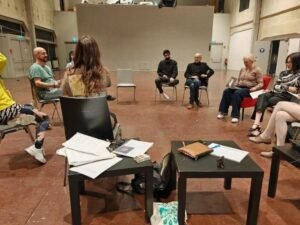
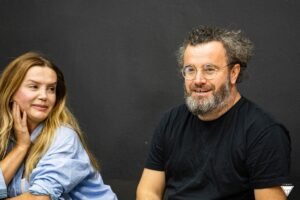
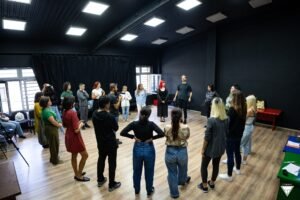
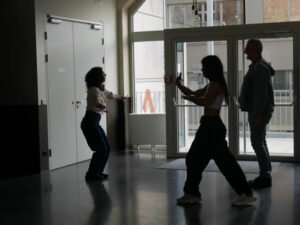
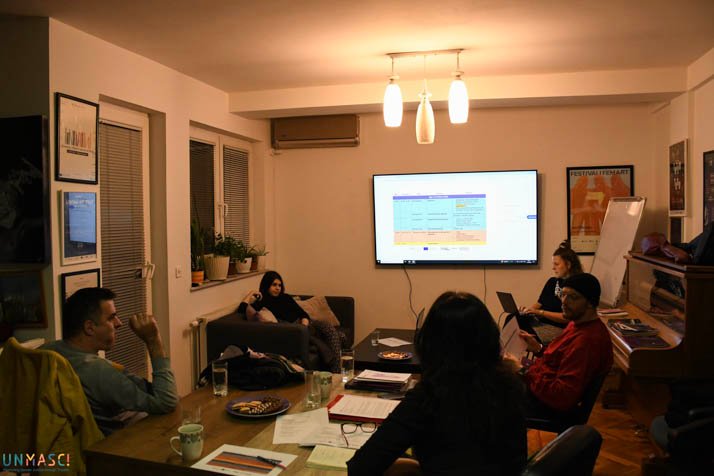
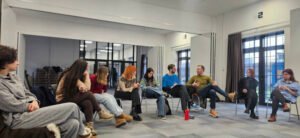
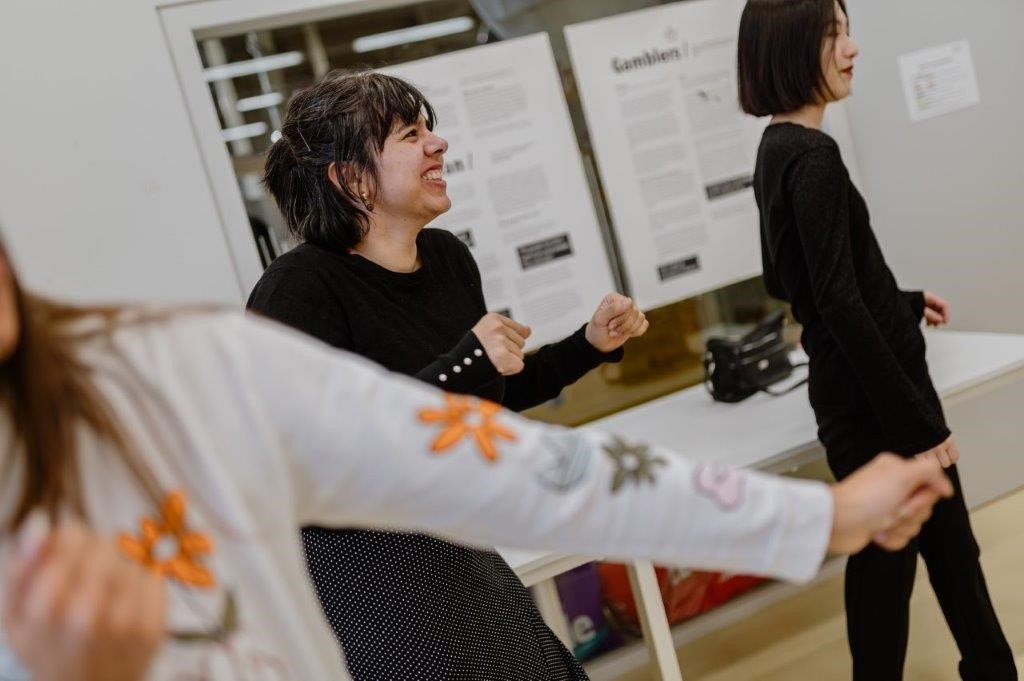
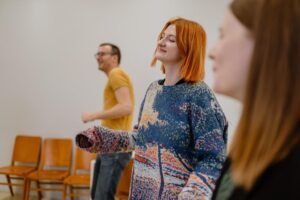
As part of the UNMASC! project, Kulturhaus Brotfabrik hosted an Open Lab Day – an opportunity for selected participants to step inside the creative process, witness work-in-progress, and directly influence the development of the performance. In Vienna, the Open Lab Day at Kulturhaus Brotfabrik welcomed a small but diverse group of participants who brought perspectives from theatre, choreography, feminist theory, and gender studies.

The day unfolded in two complementary parts:

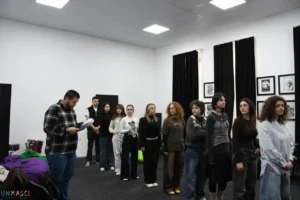
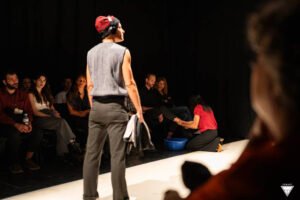
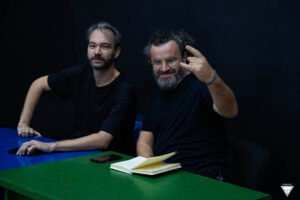
  1. Showcase & Creative Insights: Participants were invited into the heart of the rehearsal process, where performers presented unpolished scenes from the evolving performance. The director and dramaturge shared the artistic vision, conceptual frameworks, and the unique Open Soul Method – a performer-centred approach that transforms personal stories into powerful, universal stage moments.
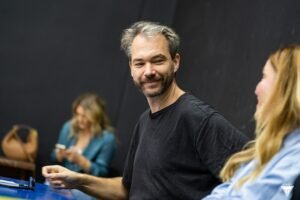
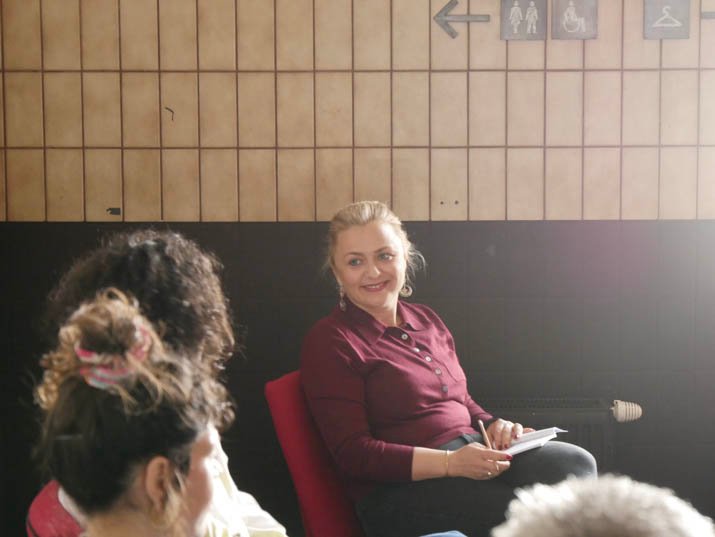
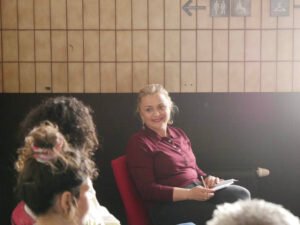
  2. Feedback & Exchange: The afternoon became a collaborative roundtable. Guided by targeted questions, participants offered reflections on clarity, thematic impact, artistic style, and the balance between irony, humour, and intensity. This was the first time the creative team received direct audience feedback, and every suggestion was carefully recorded to inform the next stage of development.

Participants recommended sharper, more decisive physicality in later scenes, more breathing space between spoken word segments, and an extended opening crying sequence for greater emotional impact.
The strong presence of the female performers was praised, particularly in the final scene on femicide. Suggestions included using colder, detached expressions to amplify the contrast and deepen the audience’s emotional response.

The playful, fluid approach to gender identity and the use of irony were well received, but participants cautioned against crossing into caricature. Some scene orders and transitions were proposed to be restructured for a smoother flow, and video projection integration was identified as an area for tighter connection with live performance.

The Open Soul Method – starting from movement and emotional exploration before building text – sparked curiosity and discussion. Performers shared both the freedom and the challenges of working with deeply personal material.

The Vienna Open Lab Day was not only a rehearsal but a co-creation moment. The insights shared will resonate in the final performance – making it sharper, braver, and more impactful when it reaches audiences later this year.
Research Workshops in Vienna: Breaking Silence, Building Space

By Activities

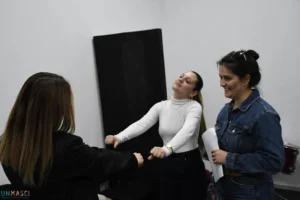
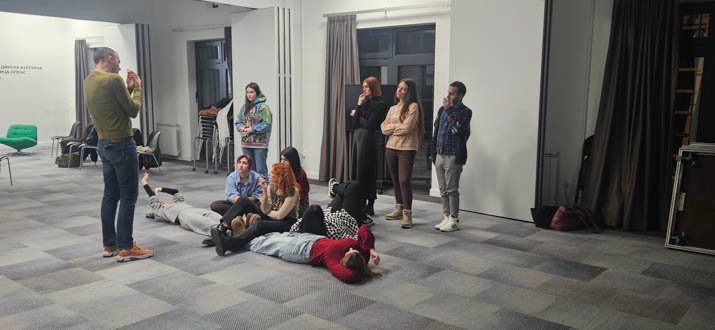
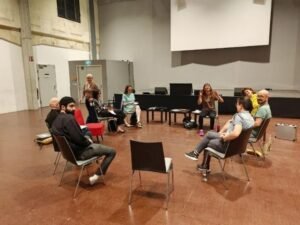
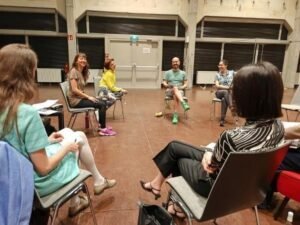
Over six sessions in Vienna, the UNMASC! workshops unfolded as raw, honest, and transformative spaces. Guided by Danilo Jovanović’s Open Soul method and joined by artist Zana Hoxha during the final workshop, participants—primarily young FLINTA* individuals—used their personal stories as material for collective exploration.

This method is taking personal stories, experiences, and memories of performers as a starting point for creative research. There are no less or more important stories or perspectives; eve rything that exists in the rehearsal room has creative potential. The development of a theater piece relies on principles of devised theater. This means that all content, text and specific stories are built during the rehearsals through joint work of the director, performers and entire creative team involved in a specific production.
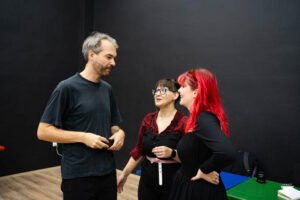
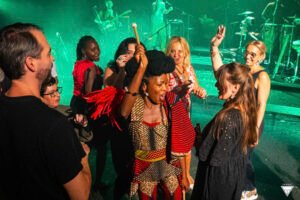
Through role-play, storytelling, and embodied reflection, the group questioned toxic masculinity, power dynamics, and the weight of gendered expectations. In a space rooted in authenticity, vulnerability became strength, and storytelling became resistance.

From laughter to tears, from rage to care, the Vienna workshops reminded us that healing begins where stories are shared, believed, and transformed into art.

Research Workshops in Kosovo: Theater as a Tool for Gender Justice

By Activities

As part of the international project UNMASC!, a series of artistic research workshops were held in Kosovo, using theater as a transformative space to explore gender, equality, and peacebuilding. Facilitated by experienced artists and youth workers, the six workshops took place between September 2024 and March 2025 in Prishtina, Peja, and Ferizaj.

The workshops brought together diverse participants—young people, activists, and artists from Albanian, Serbian, and Roma backgrounds—to challenge gender norms and create powerful narratives of resistance and unity. From storytelling and freeze exercises to performance-based presentations, the sessions emphasized empathy, expression, and social change.

The first two workshops took place on May 26 and 27, 2024, during the FemArt Festival, under the theme “Art, Activism, and Equality: The Intersection of Gender and Peacebuilding.” These workshops gathered participants from various communities in Kosovo and Serbia and were held at Dodona Theater in Prishtina. The sessions offered a powerful exploration of gender, human rights, and peacebuilding, fostering meaningful dialogue and artistic expression while challenging gender stereotypes.

Facilitated by Shpëtim Selmani (writer and actor) and Attila Antal (director and writer), the methodology focused on collecting qualitative data through “counter-narratives” and personal storytelling. These narratives served as the foundation for the collaborative creation of a theater performance.

The remaining four workshops were conducted at “Bedri Pejani” High School in Peja and the Music High School in Ferizaj under the theme “Exploring Gender Justice Through Theatre.”

Led by Berat Bajrami and Elira Lluka, certified and experienced youth workers, these workshops merged theater, activism, and social engagement to challenge gender injustices.

Artistic Residency in Vienna

By Activities

From 18 – 23 March 2025, Zana Hoxha (Kosova) participated in a short-term residency at Kulturhaus Brotfabrik in Vienna. The residency included co-facilitating a Theatre-Based Education workshop with local artist Danilo Jovanović, focusing on gender justice, social issues, mental health, and community empowerment.

The workshop brought together participants from diverse backgrounds, providing a safe, creative space for storytelling, role-playing, and collective reflection. Students from the Central European University also participated by conducting interviews, contributing to a deeper understanding of gender-based issues. The activities explored how theater can empower individuals, build resilience, and inspire social change, while laying the groundwork for Forum Theatre performances in later stages.

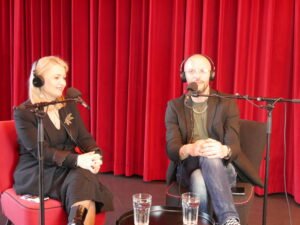
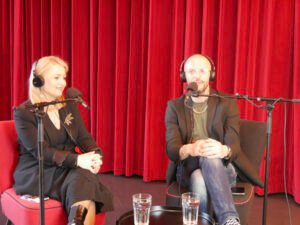
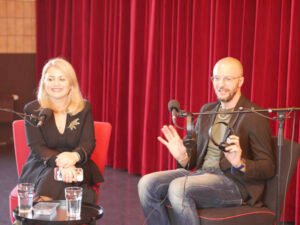
Beyond the workshop, Zana engaged with local cultural institutions, artists, and networks, attending meetings, performances, and exhibitions. She recorded a podcast and documented the residency, sharing insights and reflecting on artistic and organizational practices.

Lessons learned included navigating cultural differences in openness, fostering safe spaces for sensitive discussions, and exploring theater as a tool for healing and social empowerment. The residency strengthened collaboration between Artpolis and Kulturhaus Brotfabrik, increased UNMASC!’s visibility in Vienna, and inspired future joint projects.

Kulturhaus Brotfabrik highlights Zana’s residency as a successful exchange of artistic practices, fostering meaningful dialogue, shared learning, and long-term partnerships.

Breaking Barriers: A Workshop on Gender Equality in Art Production

By Activities

13.03.2025

On March 13th, 2025, Zana Hoxha led a thought-provoking workshop titled Gender Equality in Art Production, bringing together 16 participants from diverse artistic fields to engage in critical discussions about gender inequality within the creative industries. The workshop focused on exploring the structural barriers, representation, and power dynamics that shape artistic creation and production. Through a combination of presentations, group discussions, and interactive exercises, participants examined the challenges women and marginalized genders face in the art world, as well as feminist strategies to challenge and dismantle these barriers.


The workshop began with an icebreaker, “Who Holds the Power?” which prompted participants to reflect on gendered power structures within their own artistic environments. This was followed by a deep dive into the gender gap in arts and culture, with statistics and case studies highlighting the significant barriers to equal representation in terms of funding, visibility, leadership roles, and the pervasive pay gap. Participants also mapped out the gendered hierarchies in their artistic fields, identifying the unequal distribution of power.

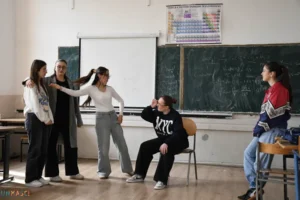
One of the most impactful parts of the workshop came when three groups of three participants each improvised a theater scene, which addressed different aspects of gender inequality in the art world. These spontaneous performances provided a powerful opportunity for participants to reflect on and discuss the issues at hand. The theater scenes not only raised awareness about the challenges women and marginalized groups face in art production but also sparked meaningful discussions about possible solutions and the creation of more inclusive spaces.

The day wrapped up with addressing gender biases in artistic productions and sharing the key takeaways they learned. The workshop fostered a sense of solidarity and encouraged future collaboration opportunities, leaving participants inspired to advocate for gender equality and to implement the tools and strategies discussed in their own artistic practices.

This activity is part of the Creative Europe project “UNMASC! Promoting Gender Justice through Theatre”.

UNMASC Transnational Meeting in Prishtina: Strengthening Collaboration for Gender Justice in Theatre

By Activities


11-13.03.2025

From March 11th to 13th, 2025, Prishtina hosted the third international transnational meeting of the UNMASC project, bringing together partners from Artpolis (Kosovo), Kulturanova (Serbia), and Kulturhaus Brotfabrik (Austria). This strategic gathering aimed to evaluate progress, plan upcoming activities, and reinforce transnational cooperation in promoting gender justice through theatre and the arts.

The meeting commenced with an introduction to Artpolis and its ongoing initiatives, offering partners an in-depth understanding of the organization’s work in feminist art activism and cultural production. Discussions centered around the creation process of performances within the UNMASC framework, with partners outlining tour logistics, selecting key topics, finalizing dates, and defining necessary action points for the upcoming productions.

A key aspect of the meeting was the planning and recording of project-related podcasts, designed to further disseminate the core themes of UNMASC and engage wider audiences. The partners also focused on communication strategies, including enhancing the UNMASC website and developing an e-Book to document and share insights from the project. These initiatives aim to ensure the sustainability and broader impact of the project’s outcomes.

Additionally, partners exchanged experiences related to their work within the Creative Europe framework and discussed best practices in regional cooperation. This exchange fostered dialogue on potential future collaborations beyond UNMASC, strengthening cross-border networks committed to gender justice in the arts.

Furthermore, partners dedicated time to addressing March deliverables, working individually on pending tasks to ensure timely completion of project milestones.

The UNMASC Transnational Meeting in Prishtina reinforced the commitment of all partners to using theatre as a powerful tool for advocacy and change. Through continued collaboration and innovation, the project remains dedicated to dismantling gender inequalities and fostering inclusive artistic spaces across Europe.

This activity is part of the Creative Europe project “UNMASC! Promoting Gender Justice through Theatre”.

Artistic Residency in Novi Sad

By Activities

From 17 – 22 February 2025, the UNMASC! project hosted a short-term residency in Novi Sad, where Uroš Isak Mladenović (Kulturanova) collaborated with guest practitioner Danilo Jovanović (Vienna). Together, they co-facilitated a dynamic workshop series, blending their unique artistic approaches and creating a powerful learning space for young participants.

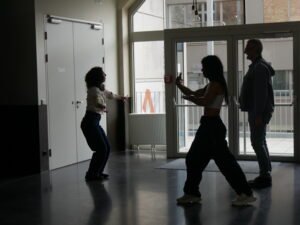
The workshops, held daily at Kulturanova, emphasized creative self-expression, movement, and personal storytelling. Participants explored their inner voices through interactive games, body-based exercises, and letter-writing activities, fostering both individual reflection and a strong sense of community. The process culminated in a collective performance that integrated all participants’ ideas, skills, and creativity.

Feedback highlighted the safe, supportive environment built by Uroš and Danilo, where everyone felt respected, empowered, and free to experiment. Participants praised the balance between structure and freedom, and many expressed the wish for the workshops to continue.

Reflecting on his experience, Danilo noted that the residency deepened his methodological and artistic practice, especially in working with non-professional theater participants and in exploring collective storytelling through movement and daily gestures. His Open Soul method inspired exercises that strengthened group connection and body awareness, enriching the final creative outcomes.

Lessons learned included the importance of creating safe spaces for vulnerability, valuing participants’ diverse skills, and shifting from a purely educational process to one centered on togetherness and co-creation.

Kulturanova considers the residency a major success, contributing not only to the growth of participants but also to the organization’s artistic development. It reinforced international collaboration and laid the groundwork for future creative exchanges within the UNMASC! project and beyond.

Artistic Residency in Prishtina

By Activities

From 25 September – 1 October 2024, theater practitioner Attila Antal (Kulturanova, Novi Sad) joined Artpolis in Prishtina for a residency within the UNMASC! Project. His visit coincided with the 12th edition of FemArt Festival, allowing him to immerse in performances, exhibitions, feminist talks, and the International Peace Conference “Sisterhood in Times of War and Peace.”

A highlight of the residency was the workshop “Art, Activism, and Equality: Bridging Gender and Peacebuilding,” co-facilitated with Shpëtim Selmani at Dodona Theater. The workshop brought together 23 participants from Kosovo, Serbia, the Roma community, and the UK, exploring counter-narratives, storytelling, and collective expression.

Beyond the workshop, Attila engaged in networking opportunities – including a gathering hosted by the Embassy of Luxembourg – building new artistic and activist connections for future collaborations.

Lessons learned included exposure to diverse activist communities, new participatory methodologies, and deeper insights into the intersections of gender, art, and peacebuilding.

Artpolis recognizes this residency as a valuable contribution to the UNMASC! project, fostering cross-border collaboration and a shared artistic vision.

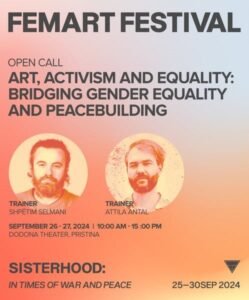
Open Call: Workshop “Art, Activism and Equality: Bridging Gender Equality and Peacebuilding”, by Shpëtim Selmani & Attila Antal

By Activities

September 26 & 27, 2024

Artpolis, in cooperation with the Helsinki Committee for Human Rights in Serbia, KulturHaus Brotfabrik from Austria and Kulturanova from Serbia, with the support of the European Union, organized the artistic workshop “Art, Activism and Equality: Bridging Gender Equality and Peacebuilding” in Pristina, during the FemArt Festival, 13th edition.

The workshop aimed to challenge gender stereotypes, address human rights issues and promote peace building in the region. This was achieved through a methodology that involved gathering qualitative data in the form of ‘counter-narratives’ and personal stories. Based on the collected stories and collaboration during the workshop, the creation of a theatrical performance was initiated.

During the workshop, the participants’ skills to write short texts were also developed.

The workshop was directed and facilitated by two artists, Shpëtim Selmani, actor, playwright, writer and Attila Antal, theater and film director, composer and theater researcher.

Up to 25 young men and women, boys and girls with different profiles, over the age of 18 participated in the artistic workshop. Albanian-Serbian-Albanian translation was provided throughout the workshop.

This workshop was organized by Artpolis – Art and Community Center within the FemArt Festival, in partnership with The Helsinki Committee for the Human Rights in Serbia, Kulturhaus Brotfabrik/Austria and Kulturanova/Serbia, with the financial support of the European Union.


Doing artistic research

By Activities

Collecting stories via interviews

In summer 2024 the project team kicked off the artistic research phase of UNMASC by starting to collect stories and experiences of various persons and experts. The partners were free to employ semi-structured interviews, narrative interviews, and/or focus groups. The selection of the method was based on the research question(s) the partners were interested to explore.

Different perspectives on gender justice and role expectations were collected from individual persons and experts. The most relevant parts of the interviews and focus groups were documented in order to use them further in the artistic process of UNMASC.

Exploring gender via theatre/performance workshops

In the next phase of the artistic research the partners facilitated theatre workshops. Different theatre professionals brought in their expertise on devised theatre, physical theatre, and participatory processes. The workshops were a vehicle to collect stories and experiences of individuals through different outputs in the workshop activities but also through observation and reporting on the workshops.

The workshops promoted and explored gender and sexuality, including:

  • enhancement of the participants’ expressiveness,
  • promoting empathy, and understanding,
  • addressing social issues through theatrical exploration.


Through engaging activities and practical exercises, participants were empowered to express themselves authentically and contribute meaningfully to the theatrical process.

In the upcoming moths the partners are working on the production of performances inspired by the various perspectives collected via interviews and theatre workshops.


(c) Karin Gruber

(c) Karin Gruber

(c) Karin Gruber